









Rust needs moisture and bare metal. Good gun storage takes away both: a thin protective coat on the metal, and a dry, stable place to keep the gun. Most rust problems come from three things: fingerprints, humid storage spots, and guns left in soft cases.
Step 1: Clean and protect before storing
- Clean it first. Powder fouling holds moisture. Clean the bore and action before long storage. See how to clean a gun.
- Wipe off fingerprints. Skin oils and salt start rust spots. Handle stored guns with clean hands or gloves, and wipe them with a lightly oiled cloth after handling.
- Coat the metal. A thin, even film of gun oil or a protective wax on all exposed steel. The NRA’s museum curators recommend a thin layer of wax for stored firearms.
- Protect the bore. A lightly oiled patch through the bore. Remember to run a dry patch before shooting.
Step 2: Control humidity
Humidity is the biggest factor in rust. The NRA’s National Firearms Museum curators recommend about 70 degrees and 50 to 55 percent relative humidity for stored firearms. Much lower can dry out and crack wood stocks; much higher speeds up rust.
- Use a hygrometer inside the safe so you know the actual humidity instead of guessing.
- Add a dehumidifier. An electric dehumidifier rod in the safe, or a room dehumidifier, keeps moisture down. Rechargeable desiccant packs work for small spaces but need recharging on schedule.
- Pick the right spot. Garages, basements with moisture problems, attics and vehicle trunks swing in temperature and humidity. An interior wall of a climate-controlled room is better.
Step 3: Choose the right case or safe
Soft cases and foam-lined cases are for transport, not storage. They trap moisture against the gun, and fabric wicks oil off the metal. Mossberg’s manual warns against storing a gun in a fabric-lined case because it absorbs lubricant and can lead to corrosion. It also says not to plug the barrel.
For long-term storage, a gun safe or locking cabinet with a dehumidifier is best. Silicone-treated gun socks can help protect finishes from scratches and fingerprints inside a safe. After a hunt or a rainy range day, take the gun out of its case and let the case and gun dry before storing.
Step 4: Check stored guns regularly
Look over stored guns every few months. Check for orange spots, especially on muzzles, screw heads, sights and anywhere hands touch. Catch surface rust early and it wipes away with oil. Leave it and it pits. Glock’s manual says to clean and lubricate its pistols at least once a year even if they aren’t fired, which is a good rule for any stored gun.
Common gun storage mistakes that cause rust
- Storing a gun wet. Always dry and oil a gun after rain, snow or a humid hunt before it goes back in the safe.
- Leaving it in the range bag or truck. Vehicles and bags heat up and cool down, which causes condensation on cold steel.
- Relying on the factory finish alone. Bluing offers little rust protection by itself. It needs a film of oil or wax on top.
- Cramming guns together. Tight racks rub finishes and hold moisture between guns. Give them a little space and air flow.
- Setting it and forgetting it. A dehumidifier that failed or desiccant that is saturated does nothing. Check the hygrometer when you check the guns.
Storing carry and home defense guns
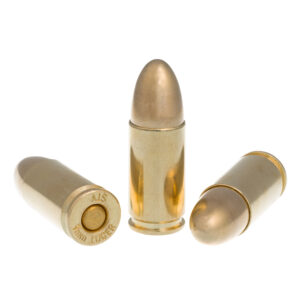
Guns you carry or keep ready see sweat, lint and holster moisture. Wipe them down and check them regularly, and keep ammunition and magazines dry too. Store loaded magazines and ammo away from oils and solvents, since those can damage primers.
Storing guns long term
- Clean thoroughly and apply a slightly heavier protective coat, such as a gun preservative or wax.
- Don’t store guns with heavy grease packed in the action. It can harden over time.
- Keep them out of foam and fabric cases.
- Before shooting after storage, clean off the preservative, dry the bore and relubricate normally.
What to do if you find rust
Deal with it right away. Light surface rust usually comes off with gun oil and a gentle rub. Our how to clean rust off a gun guide walks through it step by step. If rust is heavy, inside the action or in the bore, Condition Red Tactical offers cleaning and inspection service priced by how much rust is present. See services.
Storage and safety
Rust prevention is one goal of storage; keeping guns away from children and unauthorized people is another. A locked safe or cabinet does both. Keeping ammunition separate from stored guns adds another layer of safety.
Common Questions
What humidity should a gun safe be?
The NRA's museum curators recommend about 50 to 55 percent relative humidity at around 70 degrees. Use a hygrometer inside the safe to check.
Is it OK to store guns in a soft case?
Not long term. Soft and foam cases trap moisture, and fabric can wick oil off the metal. Use them for transport and store guns in a safe or cabinet.
Should I oil guns before storing them?
Yes. Clean them and apply a thin film of gun oil or protective wax to exposed metal, plus a lightly oiled patch through the bore. Run a dry patch before shooting.
How do I keep guns from rusting in a safe?
Keep humidity down with a dehumidifier, monitor it with a hygrometer, wipe fingerprints off after handling, and inspect stored guns every few months.