
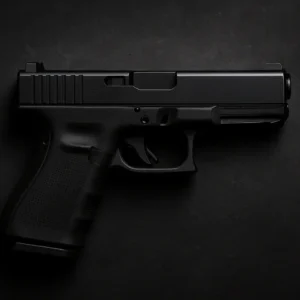
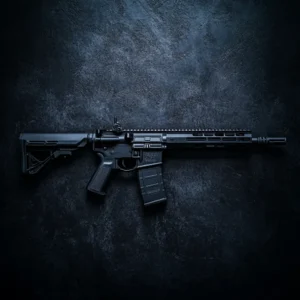
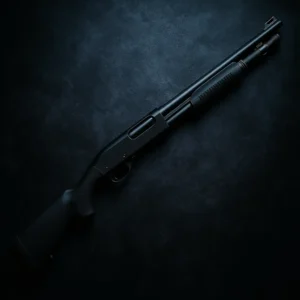


Cleaning a gun comes down to seven steps: unload, field strip, clean the barrel, clean the action, lubricate lightly, reassemble and function check. The process is the same idea for a pistol, rifle or shotgun. Only the takedown steps change, and those are in your owner’s manual.
Before you start: unload and clear the area
Safety first, every time: remove the magazine, lock the action open, and check the chamber twice, once by looking and once with a finger. Take all ammunition out of the room before you start. Work in a ventilated area, wear safety glasses because springs and solvent can fly, and wash your hands afterward since fired-gun residue contains lead.
Lay down a cleaning mat or old towel. Solvents can damage some table finishes, and a mat keeps small parts from rolling away.
What you need to clean a gun
- A cleaning rod (one-piece coated rod is best) or a pull-through bore snake sized for your caliber
- A bronze bore brush and a jag or slotted tip in the right caliber
- Cotton patches sized for the bore
- Gun solvent, or a CLP (cleaner, lubricant, protectant) product
- Gun oil or gun grease
- A nylon utility brush or old toothbrush, cotton swabs and lint-free rags
- Safety glasses and nitrile gloves
For a full shopping list, see our gun cleaning kit essentials guide.
Step 1: Field strip the gun
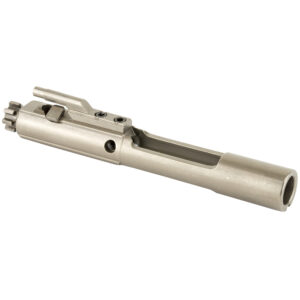
Field stripping means taking the gun apart into its major assemblies without tools: for most semi-auto pistols that is the slide, barrel, recoil spring and frame; for an AR-15 it is the upper, lower, bolt carrier group and charging handle; for a pump shotgun it is usually the barrel and the bolt assembly. Follow your owner’s manual exactly. Do not take the gun apart further than the manual’s field strip. Trigger groups, extractors and firing pin assemblies are armorer or gunsmith work, and parts put back wrong can make a gun unsafe.
Step 2: Clean the barrel (bore and chamber)
- Push a solvent-wet patch through the bore, from the chamber end toward the muzzle when the design allows it. This protects the crown at the muzzle, which affects accuracy.
- Let the solvent soak for a few minutes, following the label.
- Run a solvent-wet bronze brush through the bore several times. Push it all the way out the muzzle before pulling it back, instead of reversing it inside the barrel.
- Push dry patches through until they come out mostly clean.
- Clean the chamber with a patch or chamber brush. Carbon rings in the chamber cause extraction problems.
Our how to clean a gun barrel guide goes deeper on brushes, jags and copper fouling.
Step 3: Clean the action and moving parts
Wet a nylon brush with solvent and scrub the areas where carbon collects: the breech face, the extractor claw, slide rails or bolt tracks, the bolt and the feed ramp. Use cotton swabs in tight spots and wipe everything dry with a clean rag. Keep solvent and oil out of the firing pin channel and away from the inside of magazines unless your manual says otherwise.
Wipe the outside of the gun, including the frame or receiver. Fingerprints carry salt and moisture that start rust on steel.
Step 4: Lubricate lightly
Most malfunctions blamed on dirt are really too much or too little oil. Put a small drop or thin film of oil where metal slides on metal: slide rails, barrel hood and locking surfaces, bolt carrier bearing surfaces, action bars. Wipe off anything that drips. Glock’s own manual warns that too much lubricant collects unburned powder and debris and can stop the pistol from working. See where to oil a gun for lube points by gun type.
A light wipe of oil on outside steel surfaces protects against rust. If the gun will be stored, you can leave a lightly oiled patch’s worth of film in the bore, but run a dry patch through before you shoot.
Step 5: Reassemble and function check
Put the gun back together in the reverse order of takedown. With the gun still unloaded and pointed in a safe direction, do a function check: cycle the action, confirm the safety (if it has one) blocks the trigger, confirm the trigger resets, and make sure the slide or bolt locks back on an empty magazine if the design does that. If anything feels wrong, stop and have it looked at before you load it.
Common gun cleaning mistakes to avoid
- Over-oiling. Excess oil attracts grit, thickens in cold weather and can soak into ammunition primers.
- Using steel brushes or steel wool on finishes. Stick to bronze or nylon brushes. Coarse abrasives strip bluing and coatings.
- Cleaning from the muzzle with a bare steel rod. It can wear the crown. Use a coated rod, a rod guide or a bore snake.
- Leaving a patch or heavy oil in the bore. Any obstruction is dangerous. Look through the barrel before reassembly.
- Detail stripping without training. Stay at the field strip level.
- Mixing different chemicals. Wipe one product out before switching to another, and follow each label.
How long does it take to clean a gun?
A routine cleaning after a range trip usually takes 15 to 30 minutes once you know your gun. The first few times take longer while you learn the takedown. A gun that has sat dirty for months, or has rust, takes more work. For heavy fouling or rust, Condition Red Tactical offers cleaning and inspection service; the price depends on how much fouling or rust there is. See our gunsmithing services.
How often should you clean it?
Clean after every range session, after exposure to rain or sweat, and on a regular schedule even if it has not been fired. Our how often should you clean your gun guide lays out a schedule by use.
Common Questions
Can I clean a gun without taking it apart?
You can run a bore snake through the barrel for a quick clean, but a proper cleaning needs a field strip. Glock's manual specifically says to field strip every time, because cleaning from the muzzle with the slide locked back pushes dirt and oil into the pistol.
What can I use to clean a gun if I don't have gun solvent?
Use a product made for firearms. Household cleaners and degreasers can damage finishes, polymer frames and wood, and some leave residue. A single bottle of CLP is an inexpensive way to start.
Should I oil the inside of the barrel?
A very light film helps protect a stored gun from rust. Run a dry patch through the bore before shooting so no oil or patch is left in it.
Do I need to clean a brand-new gun?
Yes. Many makers, including Glock, say to clean and lubricate a new gun before it is fired the first time, since shipping preservatives are not a proper lubricant.