
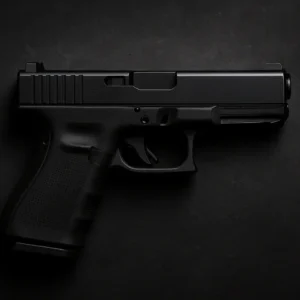

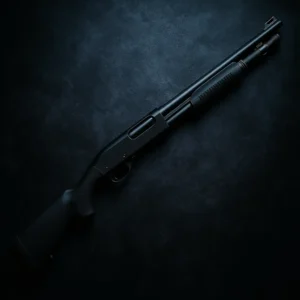




Cleaning a gun barrel means removing powder fouling, carbon, lead or copper from the bore (the inside of the barrel) and the chamber (where the cartridge sits). The basic routine is solvent, brush, patches, inspect, oil lightly. Doing it in the right direction with the right tools matters as much as doing it at all.
Safety before you touch the bore
Safety first, every time: remove the magazine, lock the action open, and check the chamber twice, once by looking and once with a finger. Take all ammunition out of the room before you start. Work in a ventilated area, wear safety glasses because springs and solvent can fly, and wash your hands afterward since fired-gun residue contains lead.
Tools for cleaning a gun barrel
| Tool | What it’s for | Tip |
|---|---|---|
| One-piece coated cleaning rod | Pushing brushes and patches | Coated or carbon fiber rods are gentler on the bore than bare segmented steel rods. |
| Bore snake | Fast pull-through cleaning | Great at the range; not a replacement for a full cleaning. |
| Bronze bore brush | Scrubbing fouling | Must match the caliber. Avoid stainless steel brushes for routine cleaning. |
| Jag or slotted tip | Holding patches | A jag gives a snug, even patch contact. |
| Cotton patches | Carrying solvent and wiping out fouling | Sized to the caliber so they are snug but not stuck. |
| Rod guide | Keeps the rod centered | Useful on AR-15s and bolt-action rifles. |
| Chamber brush | Carbon in the chamber | Especially helpful on AR-15s. |
How to clean a gun barrel, step by step
- Get access to the chamber end. Remove the barrel on a pistol, pull the bolt on a bolt-action or AR-15, or lock the action open on a shotgun or other long gun.
- Run a wet patch. Put solvent or CLP on a patch and push it through from the chamber toward the muzzle. Glock’s manual gives this chamber-to-muzzle direction for every pass.
- Let it soak. Give the solvent a few minutes to work, as directed on the label.
- Brush the bore. Wet the bronze brush and run it through the full length of the barrel 10 or so times. Let it exit the muzzle fully before pulling back, so the bristles aren’t forced to reverse inside the bore.
- Patch it out. Push another wet patch, then dry patches, until they come out clean or close to it. A little grey on a patch is normal.
- Clean the chamber. Use a patch wrapped around a brush or a chamber brush. Carbon buildup here can cause stuck cases.
- Inspect. Look through the bore toward a light. It should be shiny with clear rifling, and nothing inside it.
- Protect. Run a lightly oiled patch through for storage. Before shooting, run a dry patch so no oil is left in the bore.
Why direction matters: protect the crown
The crown is the edge of the rifling at the muzzle. Nicks or uneven wear there can hurt accuracy. Cleaning from the chamber end keeps the rod from rubbing the crown and pushes dirt out the front instead of back into the action. Some guns, like revolvers and many lever-action and pump rifles, can only be cleaned from the muzzle. In that case, use a coated rod or a muzzle guide and keep the rod centered, or use a bore snake. On a revolver, also clean each chamber of the cylinder.
Copper and lead fouling
Jacketed bullets leave copper in rifle bores, and bare lead bullets leave lead. A standard powder solvent won’t remove much of either. A dedicated copper solvent often turns patches blue or green when it’s pulling copper out. Follow the label for how long to leave it in, because some copper solvents shouldn’t sit in the bore long. Use a nylon brush or a patch with copper solvents, since they can attack a bronze brush and give you a false reading. Don’t mix different solvents in the bore; clean one out before using another.
How to clean a shotgun barrel
Shotgun bores collect plastic from shot wads as well as powder residue. The routine is the same, using a 12- or 20-gauge brush and larger patches or a shotgun bore snake. Mossberg’s manual notes that a stiff brass brush helps with stubborn deposits and says to keep a choke tube installed while cleaning so residue doesn’t build up on the threads. See how to clean a shotgun for choke tube care.
Barrel cleaning mistakes to avoid
- Using a brush or patch that’s the wrong caliber and getting it stuck.
- Leaving a patch, cleaning tip or heavy oil in the bore. Any obstruction can cause a dangerous pressure spike.
- Using a bare steel rod from the muzzle or bending the rod against the bore.
- Scrubbing with a steel brush when bronze or nylon will do.
- Chasing a perfectly white patch for hours. The goal is a clean, uncorroded bore, not bare metal.
When to have a barrel checked
If you see rust pitting, bulges, rings, cracks or something stuck in the bore that you can’t push out easily, don’t fire the gun. Condition Red Tactical offers cleaning and inspections, and our certified gunsmith handles AR-15 barrel changes ($50 labor, plus tax). See services. For rust in the bore, read how to clean rust off a gun.
Common Questions
Is a bore snake as good as a cleaning rod?
A bore snake is quick and fine for a range-day cleaning. For heavy fouling or copper removal, a rod with a brush and patches does a more thorough job.
How do I know when the bore is clean?
When dry patches come out clean or nearly clean and the bore looks shiny with sharp rifling under a light. A faint grey tint on a patch is normal.
Should I clean the barrel from the muzzle or chamber?
From the chamber end whenever the gun allows it, which protects the muzzle crown. If you must go from the muzzle, use a coated rod and a muzzle guide or a bore snake.
Can I leave oil in the barrel?
Leave only a light film for storage, and run a dry patch through before shooting. Glock's manual says to repeat dry patches until no oil or lubricant comes out.