


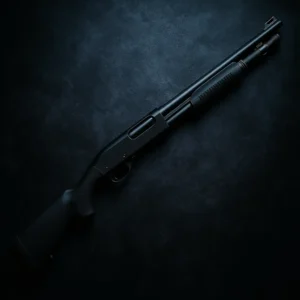




Cleaning a shotgun is mostly about the barrel, the choke tube threads and the bolt tracks inside the receiver. Shotguns are simpler to clean than most rifles or pistols, but they have a few quirks: plastic wad fouling in the bore, choke tubes that can seize, and, on semi-autos, a gas system that collects carbon.
Unload the shotgun completely
Safety first, every time: remove the magazine, lock the action open, and check the chamber twice, once by looking and once with a finger. Take all ammunition out of the room before you start. Work in a ventilated area, wear safety glasses because springs and solvent can fly, and wash your hands afterward since fired-gun residue contains lead.
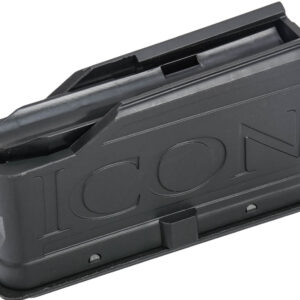
A shotgun can hold shells in two places: the chamber and the magazine tube. Put the safety on, open the action, and look and feel in the chamber, on the elevator (lifter) and in the magazine tube. Mossberg’s manual tells owners to check all three, visually and physically, before cleaning.
What you need
- A rod or shotgun bore snake in your gauge (12, 20, etc.)
- A gauge-sized bronze or brass bore brush and large patches or a mop
- Shotgun solvent or CLP, and gun oil
- A choke tube wrench
- A soft nylon brush, rags and cotton swabs
Step 1: Take the shotgun down
Most pump shotguns come apart the same general way. With the action partly open, you unscrew the magazine cap (Remington 870, Mossberg 590 and similar) or a takedown screw (Mossberg 500 and similar), then pull the barrel forward out of the receiver. On many pumps you can then slide out the bolt and action bars for cleaning. Follow your owner’s manual for the exact order.
Mossberg’s manual stops the field strip there and says the gun should not be disassembled further for routine cleaning. It also says never to pull the trigger while the trigger housing is out of the receiver. If you don’t need to remove the trigger group, don’t.
Step 2: Clean the barrel
- Leave the choke tube installed while you clean the bore, so fouling doesn’t pack into the threads. Mossberg recommends this.
- Run a solvent-wet patch or mop through the bore, from the chamber end if possible, and let it soak.
- Scrub the bore and chamber with the bore brush. A stiff brass brush helps with plastic wad streaks and stubborn deposits.
- Push dry patches through until they come out mostly clean.
- Finish with a lightly oiled patch for protection. Check that nothing is left in the bore.
Step 3: Clean the choke tube and threads
Remove the choke tube with the wrench, turning counterclockwise. Clean the tube inside and out, and clean the threads inside the muzzle with a brush and a patch. Mossberg says the choke threads should be kept clean and lightly oiled at all times. Reinstall the tube hand tight, then snug it with the wrench without forcing it.
Never shoot a choke-threaded barrel without a choke tube installed. Mossberg warns it damages the barrel threads, and a loose tube can damage the barrel and cause injury. Don’t use a bent or dented choke tube.
Step 4: Clean the bolt, action bars and receiver
Wipe carbon and grime off the bolt, bolt face, extractor and action slide bars with solvent and a nylon brush. Mossberg suggests an evaporating solvent for action parts. Inside the receiver, clean the tracks that guide the bolt with a rag or soft brush. Many shotgun receivers are aluminum with a protective finish, so don’t use a metal-bristle brush on the receiver or trigger housing; Mossberg specifically warns against it.
Step 5: Semi-auto shotguns: the gas system
Gas-operated semi-autos push gas through ports in the barrel to a piston around the magazine tube. Carbon builds up on the piston, the gas ports and the magazine tube, and this is a common cause of short cycling. Clean those parts per your owner’s manual. Some makers want the magazine tube left dry or lightly oiled, and designs differ, so follow the manual for your model. Inertia-driven semi-autos don’t have a gas system, so the focus is on the bolt and receiver.
Step 6: Lubricate lightly
Shotguns need very little oil. Mossberg says normal use needs little more than a light oiling of internal and external surfaces to prevent rust, and a few drops of light oil in the bolt tracks once clean. Action parts stay cleaner longer when lube is used sparingly. In freezing weather, go lighter still, because many oils thicken in the cold.
Step 7: Reassemble and function check
Reassemble in reverse order. With the gun still unloaded, work the action, confirm the safety blocks the trigger, and confirm the action lock releases as it should. Tighten the magazine cap or takedown screw firmly by hand.
Cleaning a shotgun after waterfowl or wet hunts
Duck and goose hunting means rain, mud and sometimes salt air. Dry the gun as soon as you can, take the barrel off, and clean and oil it that day. Water can collect in the magazine tube and under the forend, so check there. Don’t leave the gun in a wet soft case in the truck overnight.
Shotgun cleaning mistakes to avoid
- Forgetting the magazine tube when unloading.
- Letting choke tubes sit for seasons without removal. They can seize in the barrel.
- Using a wire brush on an aluminum receiver.
- Heavy oil in cold weather, which slows the action.
- Leaving a patch or heavy grease in the bore. Mossberg warns these can create dangerous obstructions.
If a choke tube is stuck, or a semi-auto won’t cycle after a thorough cleaning, bring it to Condition Red Tactical. We offer cleaning and inspections, and our gunsmith can take a look. See services.
Common Questions
How often should I clean my shotgun?
Clean it after each outing, especially in wet weather. Mossberg recommends a thorough cleaning after every 200 shotshells, and more often in dusty or harsh conditions.
Should I remove the choke tube to clean it?
Leave it in while you clean the bore so fouling stays off the threads, then remove it and clean and lightly oil the tube and the threads. Never fire without it installed.
Can I use a bore snake on a shotgun?
Yes. A gauge-sized shotgun bore snake is a fast way to clean after the range or field, with a fuller rod-and-brush cleaning from time to time.
Why does my semi-auto shotgun short cycle after a lot of shooting?
Carbon on the gas piston, ports and magazine tube is a common cause. Clean the gas system per the owner's manual, and check that you are using ammunition the gun is rated to cycle.