
Two laws passed in the 2026 Indiana General Assembly session changed how the state handles gun stores, shooting ranges and antique handguns. Both took effect July 1, 2026. Neither changes who can buy or carry a gun, but both are worth knowing about. Here is what each one does, in plain terms, with the Indiana Code sections so you can read them yourself.
SEA 176: Can a town zone out a gun store or indoor range?
Much less than before. Senate Enrolled Act 176 adds a new chapter to the Indiana Code, IC 36-7-4.2, and a new section, IC 14-22-31.5-8. Together they limit how counties, cities and towns can use zoning and permits against gun stores and ranges.
Gun stores in commercial zones
The law defines a “retail sporting goods store” as a store mainly selling new sporting goods, and it lists firearms among those goods. If a property is zoned for commercial use, that kind of store is now a permitted use on each lot or parcel. “Permitted use” means no public hearing, variance, special exception or conditional use approval is required. The local unit can still ask for a water and sewer “will-serve” letter and an application fee.
New indoor shooting ranges
An indoor shooting range is a permitted use in areas zoned commercial, industrial or agricultural, as long as two conditions are met:
- The walls, ceilings, floors and backstops are built to contain every projectile fired inside.
- Reasonable effort is made to limit noise that could significantly affect neighbors.
The law defines an indoor range as a fully enclosed facility with a bullet-resistant backstop, ventilation and sound control.
Upgrades to existing ranges
Under IC 14-22-31.5-8, maintenance, repair, renovation, modernization or expansion of range buildings, including safety and environmental upgrades, counts as a continuation of a permitted use. A local government can’t treat it as expanding a nonconforming use or use it as a reason to deny or delay a permit. It must review range permits under the same standards it uses for similar commercial, industrial or agricultural properties, and it can’t require the owner to agree to annexation to get a permit.
What local governments can still do
The law has limits. It does not apply in historic districts, flood plains, or commercial areas that allow mixed-use residential projects (with a narrow exception for some existing ranges). Local governments can still enforce building, fire and safety codes that are neutral and apply to everyone. Zoning ordinances passed before July 1, 2026 are void only where they conflict with the new chapter, and permit applications filed before that date are not affected.
HEA 1052: Do antique guns need a background check at an Indiana dealer?
House Enrolled Act 1052 is mostly about unrelated administrative topics, but Section 42 changes IC 35-47-2.5-4. That section requires an Indiana dealer to get a completed Form 4473, contact NICS and receive approval before selling, renting, trading or transferring a handgun from inventory.
As of July 1, 2026, that section “does not apply to an item defined as an antique firearm” under federal law, 18 U.S.C. 921(a)(16). In general, the federal definition covers firearms made in or before 1898, certain replicas, and some muzzleloaders that can’t fire fixed ammunition. Federal law already treats antiques differently, so this change brings Indiana’s dealer rule in line with it.
What this means in practice: whether a specific gun counts as an “antique firearm” depends on the federal definition, not on age alone or how old it looks. A dealer can also choose its own policy. If you are unsure whether a gun qualifies, ask before you buy.
What didn’t change on July 1?
Neither law changes permitless carry, where you can carry, the rules for private sales between Indiana residents, or the federal Form 4473 process for modern firearms. For an overview of current rules, see our guides on Indiana gun laws and buying a gun in Indiana.
How this affects you as a customer
For most buyers, the day-to-day process is the same. You bring a valid Indiana driver’s license or ID with your current address, fill out a 4473 and go through the background check. If you buy a gun online or from a private seller and want a licensed dealer to handle the paperwork, our FFL transfers are $35 for the first firearm and $25 for each additional item in the same transfer.
This post is general information, not legal advice. We read the enrolled acts on iga.in.gov. Laws change, so check the current Indiana Code. Last checked September 27, 2026.
Common Questions
When did SEA 176 take effect?
July 1, 2026. It added IC 36-7-4.2 and IC 14-22-31.5-8 to the Indiana Code.
Can a city still block a gun store in Indiana?
In areas zoned for commercial use, a retail sporting goods store, including one that sells firearms, is now a permitted use. Exceptions include historic districts, flood plains and some mixed-use residential areas.
Do I need a background check to buy an antique firearm from an Indiana dealer?
Indiana's dealer handgun check section, IC 35-47-2.5-4, no longer applies to antique firearms as defined in 18 U.S.C. 921(a)(16). Whether a gun qualifies depends on that federal definition, and dealers may set their own policies.
Did Indiana change its carry laws in 2026?
Not through these two laws. SEA 176 and HEA 1052 deal with zoning and antique firearms, not carry rules.
Sources
- Indiana General Assembly: Senate Enrolled Act 176 (2026), enrolled text
- Indiana General Assembly: House Enrolled Act 1052 (2026), bill details
- Indiana General Assembly: House Enrolled Act 1052 (2026), enrolled text (Section 42)
- 18 U.S.C. 921, definitions (Cornell LII)
- NRA-ILA: Indiana Governor Signs Legislation to Protect Shooting Ranges and Gun Stores
This post is general information, not legal advice. Laws and court rulings change; check current law or talk with an attorney about your situation.

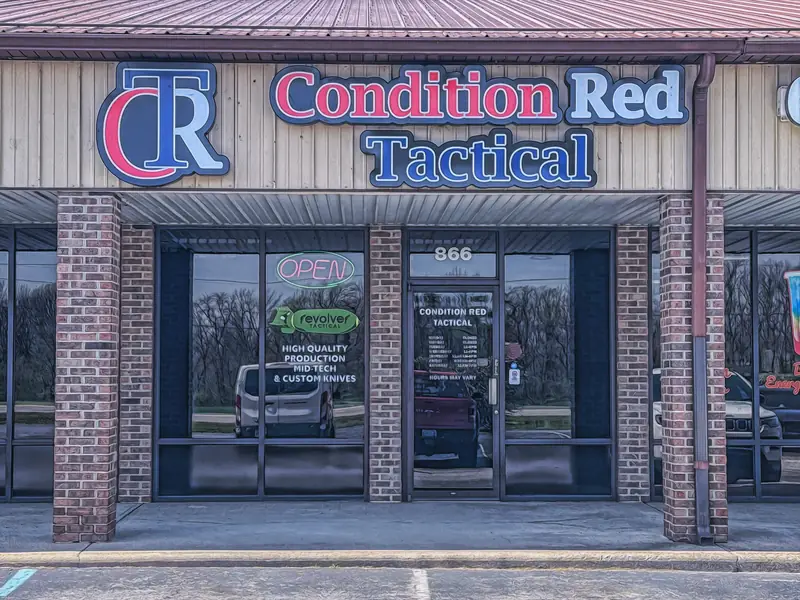
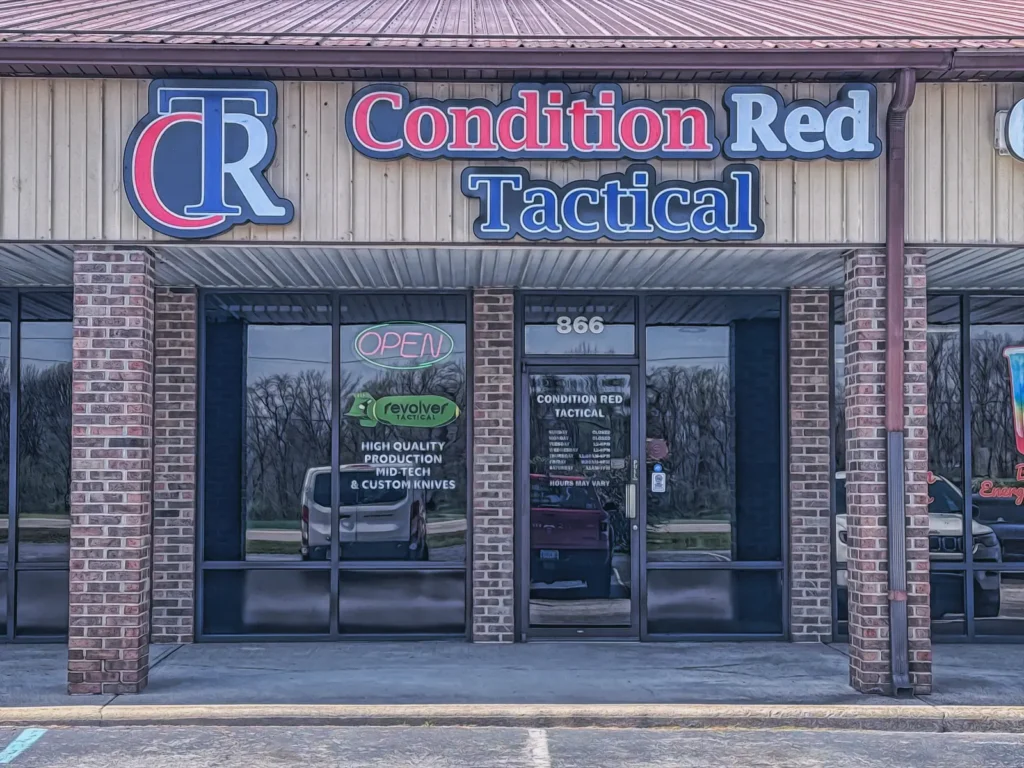
David Wasson is the founder of Condition Red Tactical in Greenfield, Indiana. A former Military Police officer, certified gunsmith and lifelong shooter, he runs the shop with his wife Tina, a retired Army Reserve combat medic.