

Do suppressors wear out?
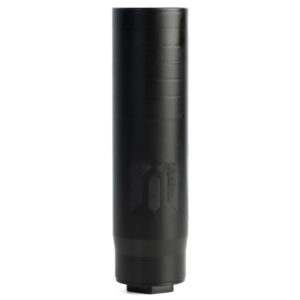
Yes, but slowly for most owners. A suppressor works by trapping and slowing hot, high-pressure gas behind the bullet. Every shot sends that gas, plus burning powder and tiny particles, into the first chamber and the first baffle, often called the blast baffle. Over thousands of rounds, that heat and grit wear away metal. This is called baffle erosion.
Manufacturers rarely publish a fixed round count, because life depends on how you shoot. A hunter who fires a few dozen rounds a year through a stainless rifle can may never wear it out. A shooter running fast strings through a short barrel can see wear much sooner.
What affects how long a suppressor lasts?
- Caliber and pressure. Rifle cartridges produce far more heat and pressure at the muzzle than pistol or rimfire rounds. Magnum rifle cartridges are the hardest on a can.
- Barrel length. A short barrel sends hotter gas and more unburned powder into the suppressor. Many manufacturers list a minimum barrel length for each caliber. Stay within it.
- Rate of fire. Heat builds when you shoot fast. Rapid strings and full-auto fire heat the baffles more than slow, aimed fire, and hot metal erodes faster. Some cans are rated for full-auto use and some are not.
- Material. See the next section.
- Ammunition and maintenance. Lead and carbon buildup won’t erode a can, but it can make it heavier, harder to clean and harder to take apart.
Titanium vs. stainless vs. Inconel: which lasts longest?
Each material trades weight for durability:
| Material | Strengths | Trade-offs |
|---|---|---|
| Aluminum | Very light, inexpensive | Mostly used for rimfire and some pistol cans; can’t handle rifle pressure and heat |
| Titanium | Light and strong | Softens more at high heat, so it can erode faster under heavy rifle use than steel |
| Stainless steel | Durable and affordable | Heavier |
| Inconel and Stellite | Hold strength at very high heat; common in blast baffles and full-auto rated cans | Heavier and more expensive |
Many rifle cans mix materials, such as a titanium tube with a stainless or Inconel blast baffle. Read the spec sheet for the specific model and its ratings.
What about rimfire and pistol suppressors?
For a .22 LR can, buildup is the main concern, not erosion. Rimfire ammunition leaves heavy lead and carbon fouling, so most rimfire cans need regular cleaning. Pistol cans run cooler than rifle cans but still collect carbon and lead, especially with lead or plated bullets. Our guide on how to clean a suppressor covers safe methods by type.
What are the signs of a worn or damaged suppressor?
- A louder report than when the can was new, with the same gun and ammo.
- Visible erosion around the first baffle or bore hole. A bore hole that has grown or turned uneven is a warning sign.
- Accuracy or point of impact changes that weren’t there before.
- Marks, tearing or a lip on the end cap or bore hole, which can mean a baffle strike.
- A bulged, dented or cracked tube. Stop using it.
- Weight gain on a sealed can, a sign of carbon buildup.
If you see any of these, stop shooting it and contact the manufacturer.
What is a baffle strike?
A baffle strike happens when the bullet hits a baffle or the end cap instead of passing cleanly through. Common causes are a suppressor not fully tightened, a mount or thread pitch that doesn’t match, a barrel that isn’t concentric with the bore, the wrong caliber can, or a bullet that tumbles. A strike can damage the can in one shot. Check that the suppressor is tight before you shoot and recheck it during a range session, especially on a handgun. A gunsmith can confirm that your barrel threads are concentric.
Do suppressor warranties cover wear and damage?
Many manufacturers offer lifetime warranties, but the terms vary a lot. Three examples from the manufacturers’ own pages:
- Rugged Suppressors calls its warranty unconditional and says the only thing it can’t help with is a lost or stolen suppressor. It lists repairs after a wrong-caliber strike, an ultrasonic cleaner and a house fire.
- Dead Air offers a conditional lifetime warranty covering defects and breakage from intended normal use. It excludes abuse, misuse, operator error and damage from host weapons or ammunition.
- AAC covers its silencers for their serviceable lifetime against defects. It excludes baffle strikes that aren’t caused by a defect, normal wear and tear and improper ammunition. The warranty is transferable.
Read the warranty before you buy, and follow the manufacturer’s cleaning instructions. Some cleaning methods, like ultrasonic cleaners on aluminum parts, can damage a can.
Can you replace suppressor parts yourself?
Usually not. Federal law treats a suppressor as a firearm, and the definition includes “any part intended only for use” in making one (18 U.S.C. 921(a)(25)). A spare baffle is a regulated silencer part on its own.
ATF updated its repair guidance in an August 28, 2026 open letter. A complete suppressor may be repaired, or its caliber changed, without counting as making a new one, as long as the work doesn’t destroy the serialized frame or receiver, which for most suppressors is the outer tube, and doesn’t remove or alter its markings. Spare silencer parts held by anyone other than a qualified manufacturer still must be marked and registered, while qualified manufacturers may use unregistered replacement parts in a repair.
On October 9, 2026, ATF announced it would stop enforcing the NFA’s approval and registration rules for suppressors, short-barreled rifles, short-barreled shotguns and AOWs, following the Silencer Shop Foundation v. ATF ruling. ATF says suppressors are still firearms under the Gun Control Act, that enforcement could resume if the law or the court case changes, and that unregistered items would not automatically be grandfathered. That is a moving target. The safe path is the same as before: send a damaged suppressor to the manufacturer for repair and don’t buy or swap internal parts yourself.
Buying a suppressor at Condition Red Tactical
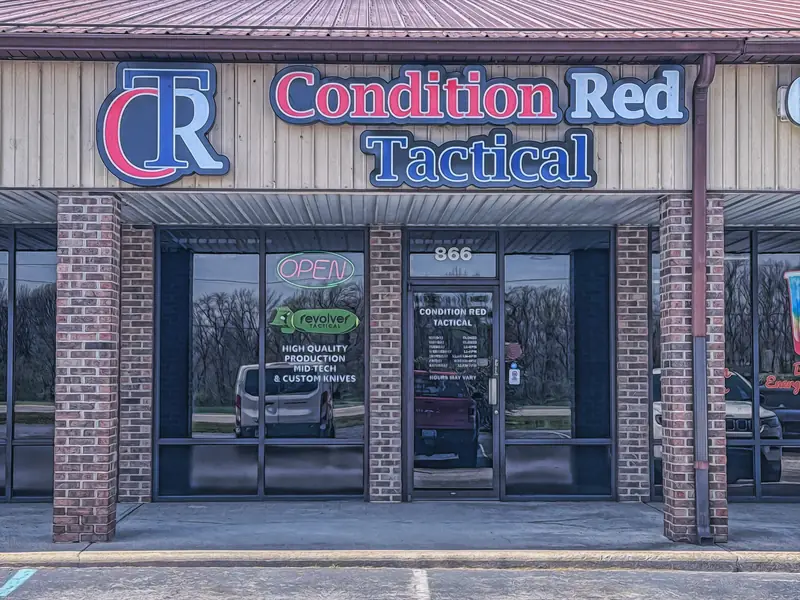
Condition Red Tactical is a Powered by Silencer Shop dealer with SOT status. Eligible Indiana buyers can take home suppressors bought through Silencer Shop on a Form 4473, and we confirm eligibility on every sale. See buying a suppressor on a 4473 in Indiana, browse our suppressors, or contact us to talk through which can fits how you shoot. Our gunsmith can also handle a muzzle device change for $20 in labor, parts extra; see services.
Suppressor rules changed several times in 2026 and may change again. This guide is general information, not legal advice. Check current ATF guidance and your manufacturer’s instructions, or talk to an attorney about your specific situation.
Common Questions
How many rounds can a suppressor shoot before it wears out?
There is no single number. Most manufacturers don't publish one, because life depends on caliber, barrel length, rate of fire and material. Many owners never wear out a can used within its ratings.
Do rimfire suppressors wear out?
Erosion is rarely the problem with .22 LR. The bigger issue is lead and carbon buildup, which is why most rimfire cans need regular cleaning.
Does shooting fast hurt a suppressor?
It can. Rapid fire builds heat, and hot baffles erode faster. Check whether your can is rated for full-auto or high rates of fire before you run it hard.
Is titanium or stainless better for a rifle suppressor?
Titanium is lighter. Stainless and Inconel handle heat and erosion better under heavy rifle use. Many cans combine them, with a tougher blast baffle inside a lighter tube.
Who can repair a damaged suppressor?
Send it to the manufacturer. ATF's August 2026 guidance lets manufacturers repair a registered suppressor without making a new one, as long as the serialized outer tube and its markings are left intact.
Sources
- ATF: Open letter to all FFLs on silencers, August 28, 2026 (PDF copy)
- ATF: FAQs to accompany the October 9, 2026 open letter on NFA making and transfer (PDF copy)
- 18 U.S.C. 921: Definitions of firearm and firearm silencer
- Rugged Suppressors: Unconditional lifetime warranty
- Dead Air Silencers: Warranty
- AAC: Limited lifetime warranty
Shop This Topic
This guide is general information, not legal advice. Laws and court rulings change; check current law or talk with an attorney about your situation.