
You don’t need a huge kit to clean a gun well. You need the right size bore tools for each caliber you own, something to dissolve fouling, something to lubricate and protect, and a few brushes and rags. Here’s what matters and what’s optional.
The core gun cleaning kit
| Item | Why you need it |
|---|---|
| Cleaning rod | Pushes brushes and patches through the bore. A one-piece coated or carbon fiber rod is gentler on the bore than segmented bare steel. |
| Bore snake | A pull-through rope with a built-in brush. Fast for range cleanups. |
| Bronze bore brush | Scrubs fouling from the bore. Must match your caliber or gauge. |
| Jag or slotted patch tip | Holds patches on the rod. Caliber-specific. |
| Cotton patches | Carry solvent in and fouling out. Size them to the caliber. |
| Solvent or CLP | Breaks down carbon and powder fouling. CLP also lubricates and protects. |
| Gun oil (and optional grease) | Lubricates moving parts and protects metal from rust. |
| Nylon utility brush | Scrubs slides, bolts and breech faces without scratching finishes. An old toothbrush works. |
| Cotton swabs and pipe cleaners | Tight spots like extractors and gas keys. |
| Lint-free rags or microfiber cloths | Wiping parts clean and applying a thin coat of oil. |
| Safety glasses and nitrile gloves | Springs and solvents can hit your eyes, and gloves keep lead residue and chemicals off your hands. |
| Cleaning mat | Protects your table and keeps small parts from rolling off. |
Universal kit or caliber-specific kit?
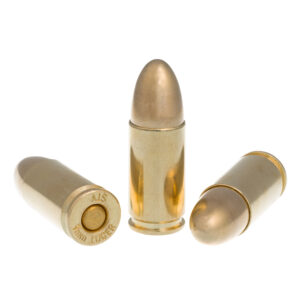
Universal kits include brushes and jags for many calibers and are a good choice if you own several guns. Caliber-specific kits are smaller and cheaper if you own one or two. Either way, check that the brushes and jags actually match every caliber you shoot, since a brush or jag that is too small won’t scrub the bore and one that is too large can get stuck.
Extras for specific guns
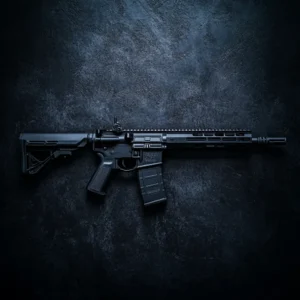
- AR-15: a rod guide, an AR chamber brush for the chamber and locking lug recesses, and a carbon scraper for the bolt and carrier. See how to clean an AR-15.
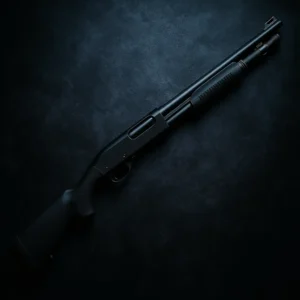
- Shotgun: a gauge-sized brush and mop or shotgun bore snake, and the choke tube wrench for your choke system. See how to clean a shotgun.
- Revolver: a brush that fits the cylinder chambers, and a muzzle guide since revolvers are cleaned from the muzzle.
- Bolt-action rifle: a rod guide and a copper solvent if you shoot a lot of jacketed bullets.
- Suppressor owners: follow the suppressor maker’s cleaning instructions. See how to clean a suppressor.
Nice to have
- A bore light to look down the barrel
- Plastic or brass picks for scraping carbon without scratching
- A small needle-tip oiler for precise drops
- A copper solvent for rifle bores
- A lead-removal cloth for stainless revolvers. Check the label, since many aren’t meant for blued finishes.
- A hygrometer and safe dehumidifier for storage (see gun storage and rust prevention)
What to leave out of your kit
- Stainless steel bore brushes for routine use. Bronze and nylon do the job with less risk to the bore.
- Coarse steel wool, sandpaper and wire brushes. They strip bluing and coatings. If you ever need to remove light rust, use oil-soaked 0000 steel wool or bronze wool with a light touch. See how to clean rust off a gun.
- Household cleaners and degreasers. Some can damage finishes, polymer frames or wood. Stick to products made for guns.
- Cheap multi-piece bare steel rods with joints that can scrape the bore.
A starter kit for a first-time gun owner
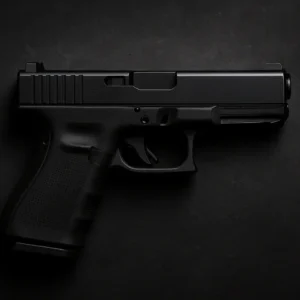
If you just bought your first handgun and want to keep it simple, start with a caliber-matched bore snake or rod kit, a bottle of CLP, a pack of patches, a nylon brush, cotton swabs, a microfiber cloth and safety glasses. That covers routine cleaning after every range trip. Add a dedicated solvent, gun oil or grease, a bore light and picks as you get comfortable. Read your owner’s manual before you buy, since some makers name specific lube points or products to avoid.
How to store your cleaning supplies
Keep solvents and oils capped, in a cool place and away from ammunition, since solvents and oils can damage primers and powder. Replace bore brushes when the bristles get bent or worn, and throw out used patches rather than reusing them.
Once you have the kit
Start with our step-by-step how to clean a gun guide, and see where to oil a gun for lube points. Condition Red Tactical carries firearms and gear; browse the shop or stop by. If you’d rather have a professional handle a dirty or rusty gun, we offer cleaning and inspections. See services.
Common Questions
What is the most important item in a gun cleaning kit?
Caliber-matched bore tools: a brush and jag or a bore snake that fits your barrel. Without the right size, you can't properly clean the bore.
Is CLP enough, or do I need separate solvent and oil?
CLP alone is enough for routine cleaning of most guns. A dedicated solvent helps with heavy fouling, and a dedicated oil or grease can last longer on high-friction parts.
Are universal gun cleaning kits worth it?
They're a good value if you own guns in several calibers. Just make sure the kit includes brushes and jags for every caliber you have.
Do I need a separate kit for a shotgun?
You need gauge-sized brushes and patches or a shotgun bore snake, plus a choke wrench. The solvent, oil and utility brushes can be shared.