

A shotgun is one of the most common home defense guns in America, and for good reason. It’s powerful at close range, simple to operate and widely available. But “best” depends on who’s using it, the layout of your home and how much you’ll practice. This guide covers what to look for, how to think about ammo, and the legal and storage basics.
Why choose a shotgun for home defense?
- Strengths: a lot of power at short range, many affordable and proven designs, and easy to learn for many people.
- Trade-offs: more recoil than a pistol or a 5.56 rifle, limited capacity, slower reloads, and a long gun is harder to handle around corners and in hallways. It also takes two hands, which matters if you need a hand free for a door, a phone or a family member.
Some households keep a handgun or a carbine instead, or as well. There’s no wrong answer if you can run the gun well.
Pump or semi-auto?
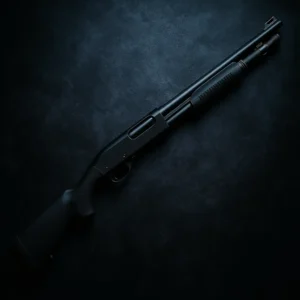
Pump-action shotguns are the classic choice. They’re simple, affordable and work with a wide range of ammo, from light loads to heavy ones. The catch is that you have to work the action fully every time. Under stress, people sometimes “short-stroke” a pump and cause a jam. Practice fixes this.
Semi-automatic shotguns load the next shell for you and many have softer felt recoil, especially gas-operated designs. They usually cost more, and some need certain loads to cycle reliably. Test yours with the ammo you plan to keep in it.
Common, well-regarded types include full-size pump guns from long-established makers, and gas or inertia semi-autos that have been sold for years with a good service record. Pick a model with good parts and accessory support, and buy a quality gun over a cheap one.
12 gauge or 20 gauge?
The 12 gauge is the most common, with the widest choice of guns and defensive loads. The 20 gauge has less recoil and is often lighter, which can make it easier for smaller or recoil-sensitive shooters to control and practice with. A 20 gauge loaded with buckshot is still a serious defensive tool. A gun you can shoot well and are willing to practice with beats a more powerful one you avoid.
Reduced-recoil 12 gauge loads are another option if you want a 12 gauge but less kick.
How short can a shotgun barrel be?
Under federal law, a shotgun needs a barrel at least 18 inches long. A shotgun with a shorter barrel, or a weapon made from a shotgun with an overall length under 26 inches, is a short-barreled shotgun (SBS) regulated under the National Firearms Act. An SBS requires ATF approval before you make or buy one. See SBR and SBS rules in 2026.
Many defensive pump and semi-auto shotguns come with barrels of about 18 to 20 inches. That’s short enough to handle indoors while staying legal without paperwork. Never cut a barrel down yourself.
Capacity, sights, lights and fit
- Capacity. Many defensive models hold 5 to 8 shells in the tube. More isn’t always better if it makes the gun heavy at the front. Know how to top off the tube.
- Sights. A bead works, but rifle sights, a ghost ring or a red dot make aiming more precise. A shotgun still has to be aimed.
- A weapon light. You must identify what you’re pointing at before you fire. A mounted light lets you do that while keeping both hands on the gun. Pick one that’s easy to switch on from your normal grip.
- Stock fit (length of pull). Many shotguns come with stocks sized for larger adults. If the stock is too long, you’ll struggle with recoil and with working a pump. Shorter or adjustable stocks are available for many models.
- A sling helps you carry the gun and keep control of it.
What ammo is best for home defense?
Buckshot is the most common defensive choice. Testing published by NRA’s Shooting Illustrated fired loads through two layers of drywall into ballistic gelatin at 7 yards. 00 buckshot averaged about 13 inches of penetration, and #4 buckshot about 8 to 9 inches. Penetration in that 12 to 18 inch range is the benchmark the FBI uses when it tests duty ammunition.
Birdshot is often suggested because it penetrates walls less. That same testing found #7 1/2 birdshot averaged only about half an inch in gelatin after drywall, and the author called it undesirable as a defensive round. Too little penetration can fail to stop a threat.
Slugs penetrated the most in that test, about 22 inches after the wall, and carry the most risk of going through walls and beyond.
Tests vary with wall construction, distance and load, so treat these numbers as examples, not guarantees. Whatever you choose, shoot some through your own gun to make sure it cycles and to see how it patterns.
What about over-penetration?
Any load that’s effective against a threat can also go through interior walls. In one wall test from Athlon Outdoors, buckshot went through both layers of drywall in a replica interior wall. Interior drywall stops very little.
- Know your home’s layout. Where do family members sleep? What’s behind the likely approach to your room?
- Plan where you’d take cover so your line of fire isn’t toward a child’s bedroom or a neighbor’s house, if you can help it.
- Follow the core safety rule: know your target and what’s beyond it.
Practice and pattern your shotgun
At typical indoor distances, a buckshot pattern is often only a few inches across. That means you have to aim. Take your gun to a range and fire your defensive load at paper from distances that match your home, such as 5, 7 and 10 yards. Practice loading, unloading, working the action, switching on the light, and clearing a jam, with dummy rounds at home and live ammo at the range.
Storing a home defense shotgun
A defensive gun has to be fast to reach and secure from children, visitors and thieves. Quick-access safes and locking racks made for long guns can do both. Project ChildSafe recommends secure storage as the top way to prevent accidents, theft and misuse, and suggests storing ammunition locked and separate when guns aren’t kept ready. See how to store guns and prevent rust.
Indiana legal notes
Indiana doesn’t require a permit to buy a shotgun, and doesn’t register guns. Federal law lets licensed dealers sell a shotgun to buyers 18 and older, and every dealer sale needs Form 4473 and a background check. Indiana law has its own rules on when force, including deadly force, is justified. Those rules are detailed and fact-specific, so read up and consider talking to an Indiana attorney before you ever need them. Start with our Indiana gun laws overview.
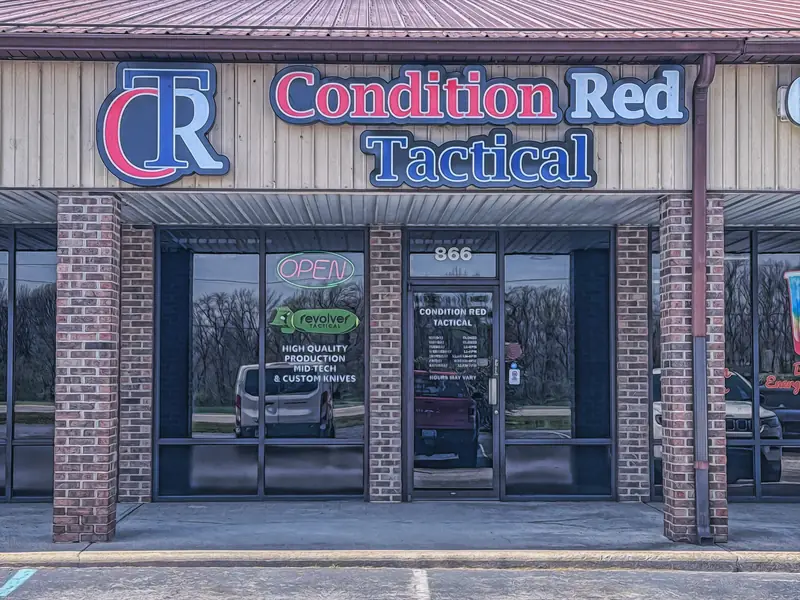
Shotguns at Condition Red Tactical
We sell new and used shotguns in Greenfield. Browse shotguns online, or stop in and shoulder what we have in stock to check fit. We also carry Streamlight lights. Firearms bought from us qualify for 90-day layaway. Found a shotgun elsewhere online? An FFL transfer through us is $35 for the first firearm. For custom setup work, our gunsmith charges $50 an hour in shop time, with the price agreed before work begins. See services.
Laws and agency guidance change. This guide is general education, not legal advice. If you’re unsure about your situation, ask the shop before you buy or talk to an attorney.
Common Questions
Is birdshot good for home defense?
Many experts advise against it. In published gelatin testing after drywall, birdshot penetrated only about half an inch on average, which may not stop a threat. Buckshot is the more common defensive choice.
What is the shortest legal shotgun barrel?
Under federal law, 18 inches. Shorter barrels, or a weapon made from a shotgun under 26 inches overall, fall under the National Firearms Act and require ATF approval.
How old do you have to be to buy a shotgun from a dealer?
Federal law allows licensed dealers to sell shotguns and rifles to buyers 18 and older. Handguns require the buyer to be 21.
Does a shotgun need to be aimed?
Yes. At room distances, a buckshot pattern is often only a few inches wide. Pattern your gun at home-defense distances so you know what it does.
Should a home defense shotgun have a light?
A mounted weapon light is strongly recommended, because you must identify your target before firing. It lets you see while keeping both hands on the gun.
Sources
- 26 U.S.C. 5845: NFA definitions (Cornell LII)
- 18 U.S.C. 922: Unlawful acts, including dealer age limits (Cornell LII)
- Shooting Illustrated: Which Type of Shotgun Load is Best for Home Defense?
- Athlon Outdoors: Home Defense Shotgun Ammo Test
- Athlon Outdoors: Understanding FBI Ammo Testing Standards
- Project ChildSafe: Securing Your Firearm
- NSSF: 10 Rules of Safe Gun Handling
Shop This Topic
This guide is general information, not legal advice. Laws and court rulings change; check current law or talk with an attorney about your situation.